Patio vs. Deck: Which Outdoor Addition Is the Right Fit for You?
When thinking about outdoor spaces, the decision between a deck and a patio can be quite challenging. Either choice presents distinct advantages and disadvantages that can significantly affect both functionality and aesthetics. Elements including intended use, budget constraints, and maintenance requirements play essential roles in this choice. Grasping these factors can help homeowners make informed choices. Yet which option best suits your individual needs and desires? The answer may surprise you.
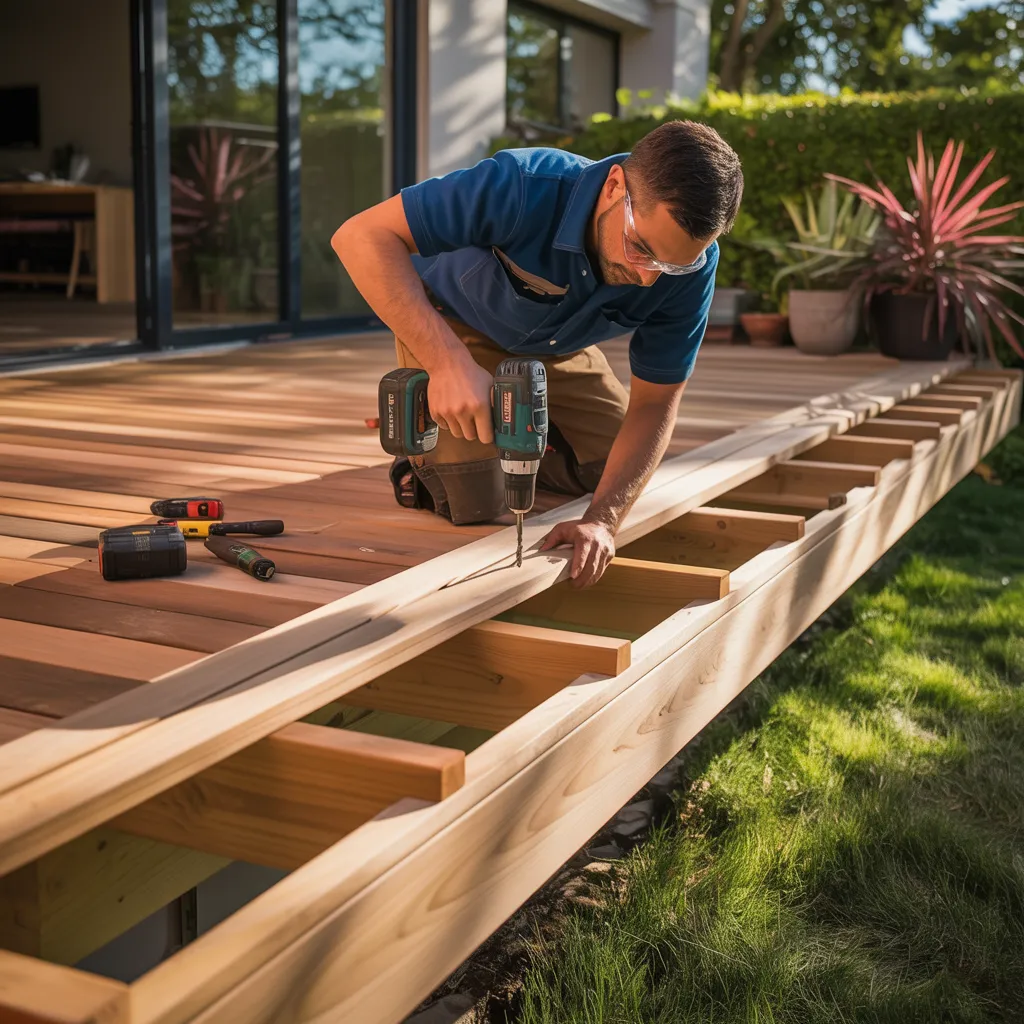
Coming to a Decision: Important Considerations for Your Outdoor Living Space
When considering the best option for an outdoor space, what aspects deserve careful thought? Property owners need to consider a number of important factors, including the intended use of the space, available budget, and upkeep demands. Initially, knowing how the outdoor space will be used—whether for entertaining, relaxation, or gardening—plays a significant role in the decision. Additionally, cost restrictions serve as an important factor; patios tend to be more affordable to install than decks, given the higher cost of materials and greater construction demands involved with decks. Moreover, upkeep requirements deserve careful attention. Decks generally demand more maintenance than patios, as decks may need periodic sealing and staining. In addition, local environmental factors and topography can impact the resilience and functionality of both options. By carefully considering these elements, homeowners can make an informed decision that aligns with their lifestyle and preferences, creating a fulfilling outdoor setting that will serve them well for many years ahead.
Getting to Know the Fundamentals: The Key Distinctions Between a Patio and a Deck?
Learning the essentials of patios and decks requires acknowledging their unique material options and design features. Patios are commonly built using concrete, stone, or brick, while decks are most often constructed from wood or composite materials. Additionally, decks are often elevated, offering a different aesthetic and functional experience compared to the ground-level nature of patios.
An Overview of Material Choices
Material choices serves a critical purpose in the differentiation between patios and decks. Patios are typically built using materials like stone, brick, or concrete, providing long-lasting durability and a solid foundation that merges harmoniously with the surrounding environment. These materials are often chosen for their ability to withstand diverse weather conditions and demand little ongoing care.
In contrast, decks are typically built from composite or wood materials, which offer a more inviting look and are raised above the ground level. Traditional wood options, such as cedar or redwood, provide a naturally beautiful appearance but require consistent care to protect against rot and degradation. Engineered composite options, while often more expensive, offer a low-maintenance alternative that resembles the look of wood. In the end, the material chosen greatly affects the visual appeal and functionality of every outdoor area.
Elevation and Design Differences
The level of elevation serves as a major differentiating factor between patios and decks. In most cases, patios are installed at ground level and built from materials including stone, concrete, or brick. This makes them closely integrated with the surrounding landscape, providing a stable surface for outdoor furniture and activities. In contrast, decks are often elevated structures made from wood or composite materials, allowing for a view of the yard or surrounding area. This raised positioning can greatly enrich outdoor experiences, most notably on uneven or sloped terrains. Design-wise, patios tend to be more versatile in shape and size, blending seamlessly with gardens, while decks generally follow a more uniform rectangular or square layout, often featuring railings and stairs for accessibility.
Key Reasons to Select a Patio for Your Outdoor Area
Although patios and decks each provide distinct benefits, many homeowners find that a patio provides a versatile and durable solution for outdoor living. Patios may be built using an assortment of materials, including concrete, stone, or brick, enabling personalization to complement the home's visual appeal. Their lower profile and integration with the landscape create a seamless shift between indoor and outdoor spaces.
Moreover, patios demand minimal upkeep compared to decks, which often need regular treatment and sealing. Patios are also less prone to problems like warping or splintering, rendering them a better option for families with children or pets. Beyond that, patios can accommodate various outdoor elements like fire pits, grills, or seating areas, boosting their usability. Ultimately, for individuals in search of a resilient, flexible outdoor setting, a patio offers an excellent option that suits a variety of lifestyles and personal preferences.
Benefits of Decks for Outdoor Living
When exploring outdoor living spaces, decks present a unique quality that many homeowners appreciate. Raising a space off the ground, decks provide unobstructed views of the surrounding landscape, enhancing the overall enjoyment of exterior spaces. This raised position also enables enhanced drainage and limits moisture buildup, which can be a concern with ground-level patios.
In addition, decks offer versatile design choices, supporting various aesthetics and materials, from traditional wood to modern composite materials, providing a blend with the house's architectural style. They equally offer an optimal area for holding social events, as they can conveniently accommodate furniture, grills, and other outdoor amenities.
In addition, decks function as transitional areas, seamlessly connecting interior and exterior spaces. The option to personalize size and shape allows homeowners to optimize their exterior living space. Ultimately, decks elevate exterior living experiences, benefiting both usability and decorative value.
Patio vs. Deck: Understanding the Cost Differences?
Cost considerations play an essential role when deciding between a patio and a deck for outdoor spaces. Generally, patios tend to have a lower initial installation cost compared to decks. Patios, often constructed from concrete, stone, or brick, can be less expensive due to the availability of materials and simpler labor requirements. By comparison, decks usually call for more specialized materials including wood or composite, combined with greater structural support, driving up overall expenditures.
In addition, the price of ongoing maintenance can fluctuate. Wooden decks often require routine sealing or staining, while patios often require less frequent care. However, the complete landscaping plan can impact costs notably. Homeowners need to evaluate their budget not only for the installation process but also for anticipated long-term expenses. Ultimately, understanding these financial implications can support a knowledgeable selection that matches both design preferences and financial limitations.
Deck versus Patio: What Are the Maintenance Requirements?
Upkeeping a deck usually needs more attention than caring for a patio. Decks, especially those made of wood, are prone to weathering, rot, and insect damage. Routine sealing and staining are required to protect the wood and prolong its lifespan. On the other hand, patios, frequently built from long-lasting materials such as concrete or stone, need less regular care. Cleaning a patio typically involves occasional sweeping and power washing to remove dirt and debris.
In addition, decks can need repairs from bent or deteriorating planks, while patios typically stay undamaged unless cracked. Periodic care for decks often requires checking for weakened connectors and ensuring adequate water flow to prevent moisture buildup. Ultimately, while each of these outdoor areas demands maintenance, the care demands of a deck are more demanding and labor-intensive compared to those of a patio, making it essential for homeowners to consider their willingness before making a decision.
Visual Appeal: Patios vs. Decks for Your Home
When examining aesthetic appeal, patios and decks each offer notable benefits for homeowners. Patios provide a range of design options with various materials and finishes, while decks tend to stand out in their capacity to feature natural wood and vibrant colors. Exploring these choices helps homeowners make informed decisions that elevate their exterior environments.
Design Versatility
Design versatility plays an essential role in improving the visual appeal of outdoor living environments, and both patios and decks offer unique advantages. Patios, generally made from stone, brick, or concrete, can seamlessly blend into various landscaping styles, producing a unified aesthetic. Their flat surfaces allow for a variety of design elements, including patio furniture, fire pits, and garden planters, giving homeowners the ability to tailor their space to their preferences.
On the other hand, decks, often elevated and made from wood or composite materials, deliver a unique decorative appeal. They are capable of improving views and fostering a feeling of openness, ideal for homes near water or elevated terrains. Both choices, therefore, permit creative expression, serving diverse tastes and functional demands in exterior design.
Color Options and Materials
The selection of colors and materials heavily affects the general visual appeal of decks and patios, each offering distinct possibilities. Patios are generally constructed using materials such as stone, concrete, or brick, enabling numerous texture and finish combinations. Such materials can be personalized with colors spanning from earthy tones to bold hues, complementing the natural environment. In contrast, decks are often constructed from wood or composite materials, which may be stained or painted to accomplish a specific aesthetic. Wooden decks provide a classic warmth, while composite materials provide durability across a wide range of colors. In the end, the home and landscape design guide the selection, as patios and decks alike can either harmonize with or stand apart from existing architecture, establishing a unified outdoor living space.

Popular Questions We Receive
Can I Build a Patio or Deck by Myself?
Absolutely, a person can install a deck or patio on their own, as long as they have the required tools, skills, and knowledge. Adequate planning, following local regulations, and knowledge of materials are important for a smooth outcome.
What Are the Best Materials for Patios and Decks?
Concrete, pavers, and natural stone are ideal for patios, while wood, composite, and vinyl are excellent for decks. Every material provides distinct benefits in terms of durability, aesthetics, and maintenance, shaping the overall outdoor experience.
What Is the Best Way to Choose the Ideal Location for My Patio or Deck?
Selecting the ideal place for a deck or patio requires examining proximity to the home, sunlight, drainage, privacy, and views. Evaluating these essential elements secures an enjoyable and functional outdoor area that in-depth article enhances the natural surroundings.
Are Patios or Decks Better for Resale Value?
Patios tend to deliver greater resale value due to their durability, lower maintenance costs, and seamless integration with landscaping. Nevertheless, decks can appeal to buyers looking for raised outdoor living areas, making either choice potentially advantageous based on market conditions.
What Local Codes Apply to Patio and Deck Installation?
Municipal rules governing patio and deck construction commonly consist of permits, zoning laws, and building codes. Property owners should confirm property line setbacks, height restrictions, and permitted materials to guarantee compliance with municipal guidelines before construction.